Neighborhood-Based Professional Access
Our workspaces are positioned in strong residential districts rather than distant central towers, allowing members to start productive days closer to home. This reduces long commuting cycles, gives back usable time, and makes professional workspace practical for daily routines instead of an occasional luxury. Parents, consultants, founders, and hybrid employees can integrate focused work sessions between school schedules, wellness breaks, errands, and evening commitments without sacrificing business standards. The result is a more realistic work model for modern urban life: polished interiors, reliable infrastructure, and a location strategy built around convenience, consistency, and local accessibility instead of unnecessary travel burden.
Flexible Memberships for Real Work Patterns
We structure access around how people actually work today. Some members need a dependable desk several times each week, others need drop-in flexibility, private room access, or periodic meeting space for client-facing sessions. Our plans support part-time office use, rotating team schedules, and scalable occupancy without locking members into a rigid traditional lease. Businesses can place employees closer to residential demand zones, freelancers can stabilize their routines, and growing teams can add capacity as needs evolve. This flexibility helps members control costs while maintaining a professional base that adapts quickly to changing projects, staffing levels, and hybrid work structures.
Calm Design with Operational Precision
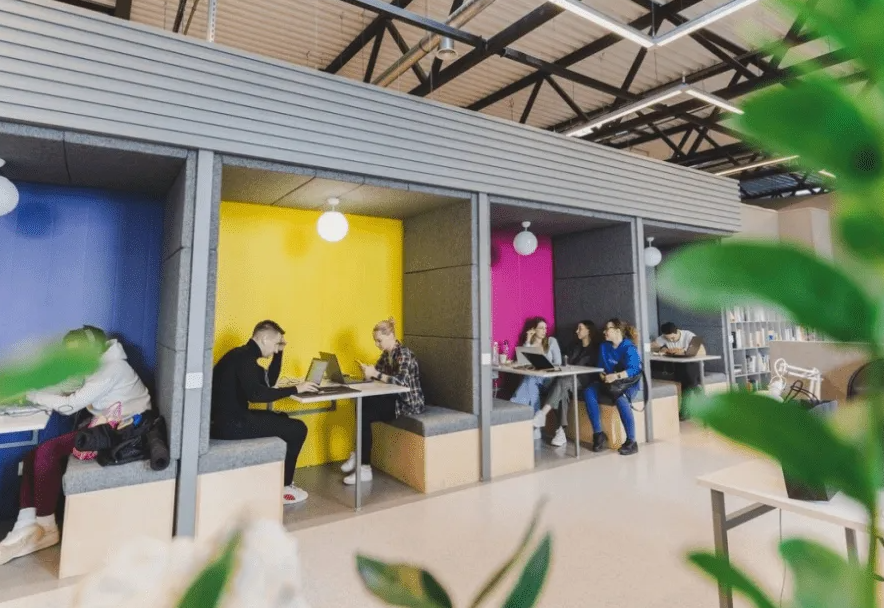
Every location is planned to feel composed, efficient, and ready for serious work from the moment members arrive. Ergonomic seating, stable high-speed internet, sound-conscious layout zoning, reservable meeting points, and dependable utility support create a setting that removes friction from the day. Quiet work areas are balanced with social lounges and collaboration corners so different tasks can happen without conflict. Materials, lighting, and circulation are selected to maintain comfort over long sessions, while support standards ensure that the environment remains orderly and professional. Members gain a workspace that is both visually refined and operationally dependable.
Stronger Local Work-Life Balance
By bringing premium workspace into residential districts, we help members protect their time, attention, and energy. Shorter travel distances support healthier routines, more predictable schedules, and better transitions between work and personal responsibilities. Members can remain productive while staying closer to family commitments, neighborhood services, exercise plans, and local commerce. This model is especially valuable for people who need separation from home life but no longer accept the inefficiency of city-wide commuting every day. The benefit is not only convenience; it is sustained performance supported by a more balanced, less draining rhythm of work.
Client-Ready Spaces without Traditional Overhead
Independent professionals and smaller companies often need a credible place to host meetings, review proposals, or welcome partners, but they do not always need a permanent long-term office. Our spaces provide that professional presentation layer through well-kept lounges, meeting rooms, reception-minded support, and cohesive design. Members can meet with confidence in an environment that communicates reliability and structure while avoiding the expense of conventional office leases. This makes our model practical for consultants, agencies, legal and financial advisors, recruiters, and project-based teams who need credibility, flexibility, and cost discipline at the same time.
Scalable Urban Footprint for Distributed Teams
Companies increasingly need smaller, more adaptable workspace nodes that support distributed teams across major cities. Our neighborhood coworking model helps organizations position employees closer to residential demand clusters while preserving collaboration quality and professional standards. Teams can use spaces for concentrated individual work, regional meetings, onboarding sessions, or periodic group planning without centralizing every function in a single expensive headquarters. This decentralized approach improves convenience, supports talent retention, and creates a more resilient operating footprint. It also allows organizations to respond faster to changing attendance patterns, growth stages, and regional workforce needs.